

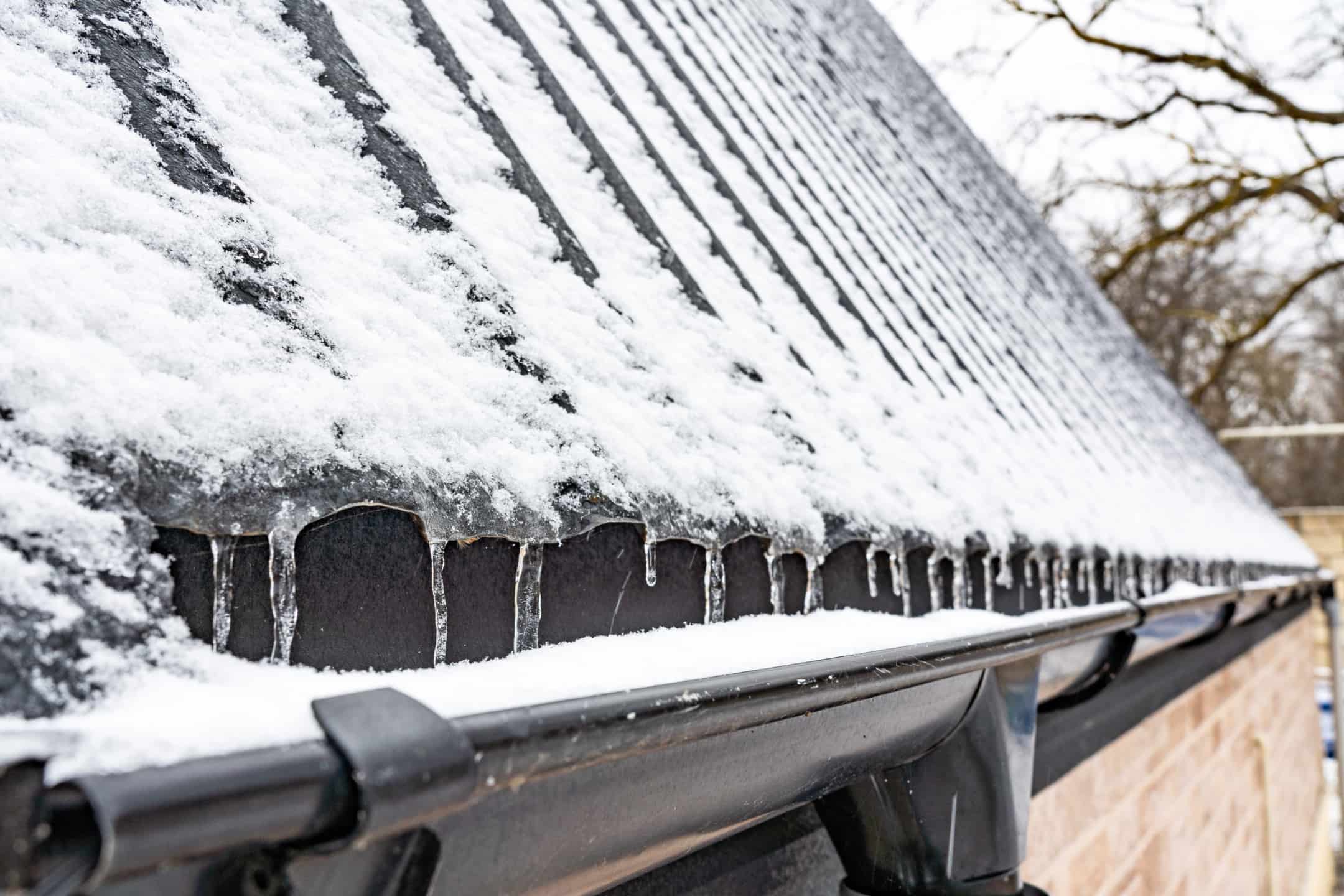
When winter hits hard in the Midwest, few homeowners realize the quiet damage forming above their heads. Gutters face one of their toughest tests during freezing temperatures, snowmelt, and refreezing cycles. The result? Ice dams, leaks, and sagging sections that push your gutter system to its limits. While a thorough cleaning can often restore function, there’s a point when maintenance simply won’t cut it—and full gutter replacement becomes the only reliable fix.
Understanding the Real Threat of Ice Dams
Ice dams form when heat from your home melts snow on the roof, causing the runoff to refreeze along the gutter line. Over time, this ice traps additional meltwater behind it, forcing it underneath shingles and into fascia boards. The longer the ice lingers, the more strain it places on your gutters—especially if they’re already clogged or improperly pitched.
Small icicles may look harmless, but thick ice ridges are a red flag. They can bend gutter hangers, pull sections away from the roofline, and even create gaps that allow water to seep behind the gutter system.
Threshold for replacement: If more than one-third of your gutter run is pulled away from the fascia or visibly warped by ice buildup, repairs won’t hold through another freeze-thaw cycle. Replacement ensures proper slope and stability, protecting both gutters and roofing materials.
Leaks: The Silent Compromise
Gutter leaks often start small—hairline cracks in seams or pinholes near end caps. During warmer months, a quick sealant fix can extend their life. But under freezing pressure, minor gaps expand rapidly. Water that seeps behind the gutter can rot fascia boards or erode foundation lines once it refreezes and thaws repeatedly.
Threshold for replacement: If you find more than two major leaks per 20-foot section, or recurring leaks in the same spot despite repair attempts, it’s time to replace the gutters. Corrosion or seam separation usually indicates that the material’s structural integrity is already compromised.
When Sagging Becomes Structural
Sagging gutters are more than just an eyesore—they signal failure in the system's support. When overloaded with ice or debris, the gutter pulls away from the fascia, disrupting proper water flow. Every inch of sag creates backflow potential, causing water to pool rather than drain.
A mild sag (under an inch over a 10-foot span) might be corrected by tightening brackets once ice and debris are cleared. However, a more significant droop indicates damage to both the brackets and the fascia board anchoring them.
Threshold for replacement: If sagging persists after clearing debris and adjusting brackets—or if fascia damage is visible—installing a new system is more cost-effective to ensure proper alignment and drainage.
Why Professional Replacement Matters
Attempting DIY gutter fixes in winter conditions is risky and rarely long-lasting. Proper installation requires accurate pitch measurement, material selection suitable for local weather, and securely mounted brackets that withstand snow load. Professional installers, like our team at Clear Cut Gutters, inspect for hidden damage such as rotted fascia or water infiltration before recommending a solution.
A new gutter system isn’t just about stopping leaks—it’s an investment in your home’s foundation, roof longevity, and peace of mind through every season.
Protect Your Home Before the Next Freeze
If your gutters are leaking, sagging, or weighed down by recurring ice, don’t wait for the spring thaw to reveal more damage. Reach out to Clear Cut Gutters for a free inspection and honest guidance on whether cleaning, repair, or full replacement is the best move. With expert evaluation and a system tailored for Kansas City’s unpredictable winters, Clear Cut Gutters helps you stay ahead of costly water damage—before it starts.